A living gift to Cantabrians, with a lengthy legacy to protect
For more than a century, Pūtaringamotu Riccarton Bush has stood as a living gift — 7.7 hectares of native forest gifted to the people of Canterbury by the Deans family in 1914, on the promise that it be preserved “for all time”.

The Bush is among the few native reserves completely contained within a city boundary, home to a 600-year-old kahikatea stand, native birds, wētā and geckos found almost nowhere else on the Canterbury Plains. Some of its trees are descendants of an ancient floodplain forest dating back 6,000 years and are the only remnants of their kind in Christchurch.
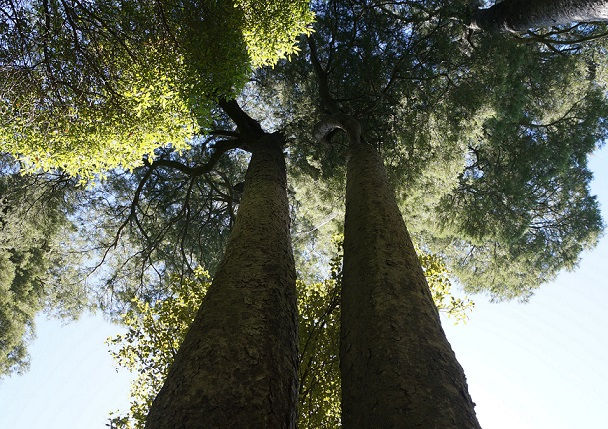
Pūtaringamotu is also culturally and historically significant as a mahinga kai (food-gathering place) for Ngāi Tūāhuriri and the location of the first permanent European settlement in Ōtautahi. As botanist Dr Leonard Cockayne warned in 1906, this is a place “beyond price… if destroyed, it can never be replaced.
Neighbouring Riccarton House is one of the oldest dwellings still standing in the region. Originally the home of the Deans family, who were among the early settlers in Canterbury after making the arduous trek from the Scottish Lowlands, the House is a time capsule of Victorian and Edwardian upper-middle-class life.

Built in three stages in 1856, 1874 and 1900, the original homestead has since undergone multiple restorations to preserve its distinctive character and heritage. Today, Riccarton House offers visitors a glimpse into the lives of one of Canterbury’s pioneering families, with period furnishings, ornamental quirks and, if the regular ghost tours are anything to go by, perhaps a few spirits still lingering in its halls.
Highlights include a majestic Victorian dining room, painted bright cobalt to ward off flies (who knew?), a charming old kitchen filled with domestic and culinary anachronisms, several Edwardian bedrooms and even the original 1856 bedroom of the family matriarch, Jane Deans.

Pūtaringamotu Riccarton Bush was gifted to the people of Canterbury by the Deans family in 1914, with protections for its ongoing preservation and public access established under the Riccarton Bush Act. More than a century later, that legacy continues through the work of the Riccarton Bush Trust, its operational staff and the support of the local community.

Beyond the reserve’s small size and urban setting, mounting pressures from climate change and surrounding development make this support increasingly essential. The Trust is charged with maintaining the ecological balance the Act promised to protect and relies on the continued goodwill of local donors to fund restoration projects such as the new boardwalk, as well as the everyday maintenance that keeps the House, grounds and Bush safe and open to everyone. You can support this work today by making an online donation here.
Kura Tāwhiti Foundation has also set up a new endowment fund for the community to support Riccarton House and Bush long-term. Gifts to the fund will be invested and grown, with investment returns providing ongoing funding for the Trust’s future projects. This gives local people the opportunity to make a significant donation during their lifetime or leave a gift to Riccarton House and Bush Pūtaringamotu in their will, creating a legacy that continues to protect its unique heritage and ecology for generations to come.
More than a century after the Deans family chose to entrust Pūtaringamotu Riccarton Bush to the people of Canterbury, the power now lies with all of us to carry that gift forward. To learn more, donate, or get in touch about leaving a bequest, please visit the fund webpage.

